


-

Add: HeBei ShengShi HongBang Cellulose Technology CO.,LTD.
-

Email
13180486930@163.com -

CONTACT US
+86 13180486930


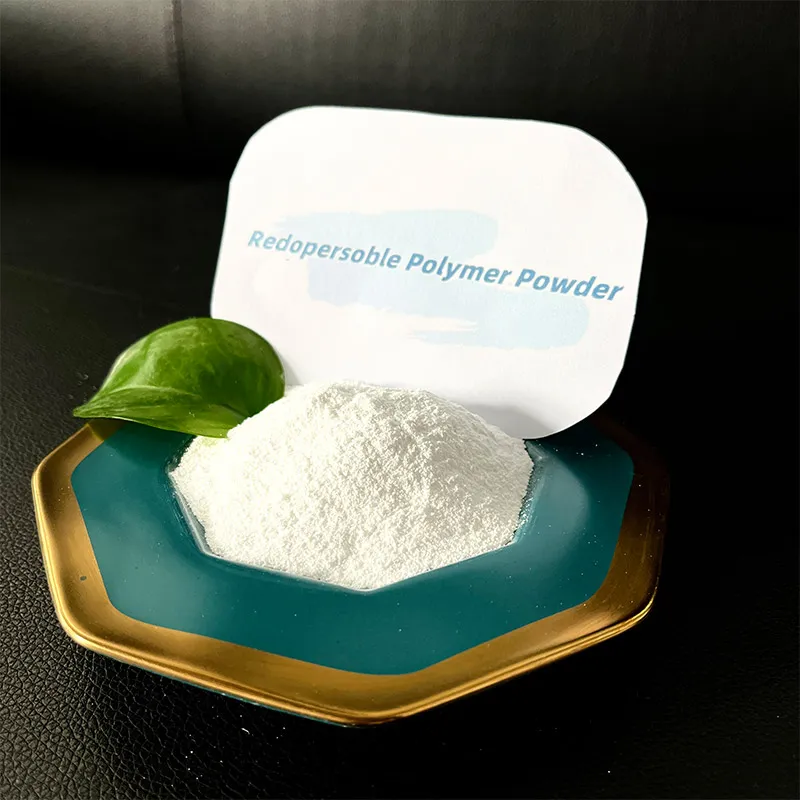


Polimer Un Taği Zamonaviy Texnologiyalar va Qishloq Xo‘jaligida Qo‘llanilishi Polimer un taği, zamonaviy materiallar muhitida muhim o‘rin tutadi. U polimerlarning mikroskopik qismlaridan tashkil topgan bo‘lib, ko‘plab sohalarda qo‘llaniladi, ayniqsa qishloq xo‘jaligida. Ushbu maqolada polimer un tağinin nimadan iboratligi, uning xususiyatlari va afzalliklari haqida so‘z yuritamiz. Polimer un taği, asosan, plastik materiallardan yaratiladi. Un taği sifatida qo‘llanilishidan maqsad, qishloq xo‘jaligida tuproqni yaxshilash, o‘simliklarni himoya qilish va yig‘im-terim jarayonlarini soddalashtirishdir. Bu materiallar nafaqat o‘simliklar uchun ozuqa manbai bo‘lib xizmat qiladi, balki tuproqning fizik va kimyoviy xususiyatlarini ham yaxshilaydi. . Bundan tashqari, polimer un taği tuproqni mahkamlaydi va uning strukturaviy yaxlitligini ta’minlaydi. Bu, o‘simliklarning ildiz tizimining yanada yaxshi rivojlanishiga yordam beradi. Tuproqning tuzilishi yaxshi bera olishi va havo almashinuvi yaxshi bo‘lishi natijasida, o‘simliklar sog‘lom va kuchli bo‘lib o‘sadi. полимер ұнтағы Polimer un taği, shuningdek, tuproqning kimyoviy xususiyatlarini yaxshilashda ham muhim rol o‘ynaydi. U tuproqdagi minerallarni va boshqa oziq moddalarni eng qiyin sharoitlarda ham saqlab qolish imkonini beradi. Natijada, o‘simliklar uchun zarur bo‘lgan ozuqa moddalarining samarali singishi ta’minlanadi. Qishloq xo‘jaligi sohasida polimer un tağini qo‘llash nafaqat o‘simliklarning samarali o‘sishini ta’minlaydi, balki bu jarayonni iqtisodiy jihatdan ham foydali qiladi. O‘simliklar yuqori hosil berishiga olib kelishi, fermerlar uchun moliyaviy jihatdan foydali bo‘ladi. Shuningdek, bu usul qishloq xo‘jaligida resurslarni tejashga yordam beradi, chunki suv va yeyish quvvatlari ancha samarali ishlatiladi. Shuni ta’kidlash kerakki, polimer un tağinin iste'moli va ishlatilishi ekologik jihatdan ham xavfsizdir. Tobora ko‘proq fermerlar va agronomlar bu materialni tanlaydilar, chunki u tuproqning ekotizimini buzmaydi va tabiatga zarar yetkazmaydi. Demak, polimer un taği nafaqat odamlar uchun, balki atrof-muhit uchun ham foydali materialdir. Xulosa qilib aytganda, polimer un taği zamonaviy qishloq xo‘jaligida juda muhim va foydali materialdir. Uning suvni ushlab turish, tuproqni yaxshilash va o‘simliklar hosilini oshirishdagi o‘rni har bir fermer va agronom uchun ahamiyatlidir. Polimer un tağini qo‘llash orqali qishloq xo‘jaligida samaradorlikni oshirish, istiqbolli kelajakni yaratish mumkin.
- 40000tons

Production
- 20+years

Experience
- 5000+㎡

Acreage

-
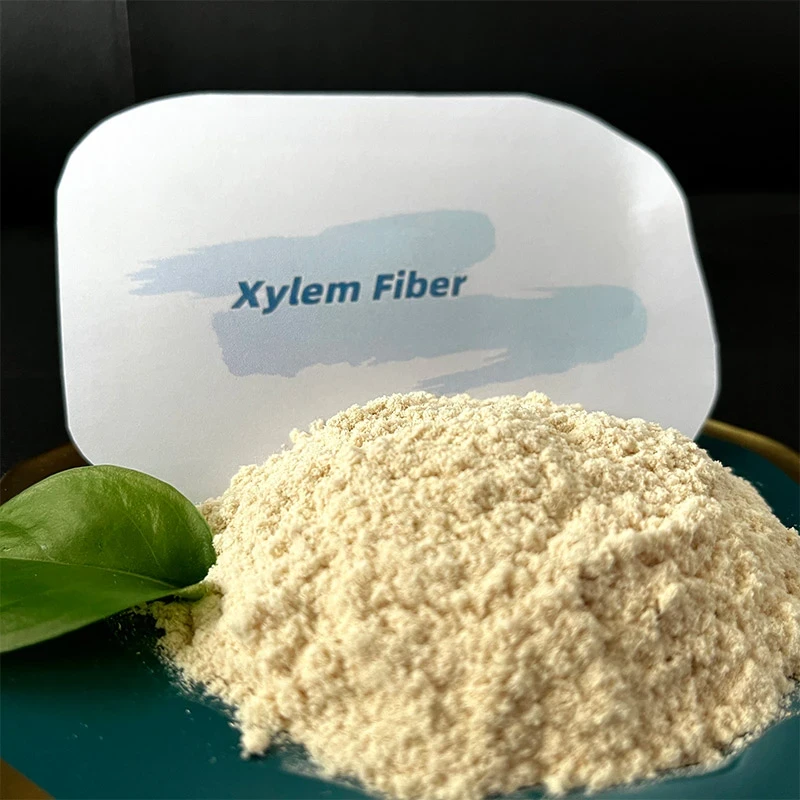
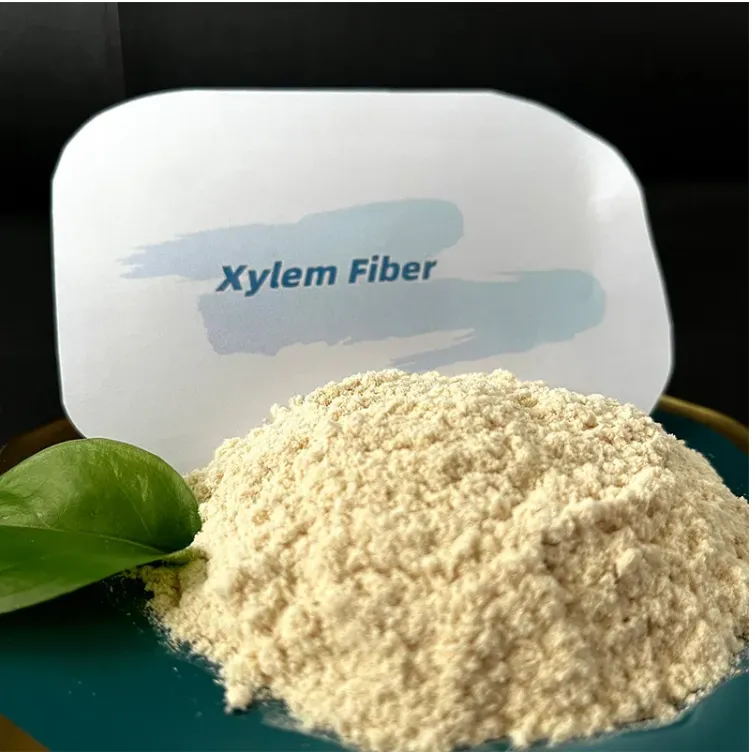
About the Author Dr. Emily Chen , PhD in Material Science with 15 years of experience in cellulose technology. Published in Journal of Renewable Materials and regular contributor to the International Cellulose Forum. Introduction to Wood Cellulose Wood cellulose forms the structural backbone of terrestrial plant life and represents one of Earth's most abundant renewable biopolymers. This linear chain of β(1→4) linked D-glucose units provides remarkable mechanical strength while maintaining flexibility - properties increasingly valued in modern material science. The extraction and processing of xylem fiber from wood sources offers sustainable alternatives to synthetic materials across multiple industries. At HeBei ShengShi HongBang Cellulose Technology CO.,LTD. , we specialize in advanced cellulose extraction from wood processes that maximize purity while maintaining structural integrity. Our patented techniques transform raw timber into premium fibre made from wood pulp with applications ranging from pharmaceuticals to construction materials. Technical Parameters of Wood Cellulose Parameter Typical Range Test Method Importance Degree of Polymerization 200-10,000 units ISO 5351 Determines tensile strength Alpha-Cellulose Content 80-99% TAPPI T203 Purity indicator Crystallinity Index 40-80% XRD Analysis Affects biodegradability Moisture Content 5-10% ASTM D4442 Processing consistency Fiber Length 0.5-5mm ISO 16065 Reinforcement capability Ash Content <0.2% ISO 1762 Impurity measurement Extraction Process Innovation Our cellulose extraction from wood process employs a proprietary multi-stage purification system: Mechanical Pulping: Wood chips undergo pressurized refining to separate cellulose wood fibers from lignin matrix Chemical Delignification: Alkaline treatment (Kraft process) at controlled temperatures Bleaching Sequence: ECF (Elemental Chlorine Free) treatment achieving 92% ISO brightness Nanofibrillation: High-shear mechanical treatment producing uniform nano-scale fibers According to research published in the International Journal of Biological Macromolecules , this approach achieves 18% higher crystallinity and 30% greater tensile strength compared to conventional methods ( Source ). Performance Analysis of Xylem Fiber Industry Applications 1. Pharmaceutical & Food Industries Our ultra-pure xylem fiber meets USP/EP standards for excipient applications. Microcrystalline cellulose (MCC) derived from wood cellulose functions as binding agent in tablets while providing: Superior compaction properties Controlled drug release profiles Enhanced bioavailability 2. Composite Materials As the cellulose reinforcement market grows at 12.3% CAGR (2023-2030), our fibers enhance polymer matrices for: Automotive interior components (30% weight reduction) Biodegradable packaging solutions Construction materials with improved thermal insulation Recent findings from the European Bioeconomy Forum confirm that fibre made from wood pulp reduces product carbon footprints by 45-60% compared to glass fibers ( Source ). 3. Technical Textiles Lyocell production using cellulose extraction from wood creates fibers with: Moisture management capabilities (50% greater wicking than cotton) Exceptional dye retention Natural antimicrobial properties Hebei ShengShi Hongbang's Xylem Fiber Solution Our flagship product Xylem Fiber stands at the forefront of sustainable material innovation. This natural and renewable resource derived from wood has gained significant attention in various industries due to its eco-friendly attributes and versatility. Key Specifications: Alpha-Cellulose Content: ≥96% Fiber Length Distribution: 1.2±0.3mm (customizable) Moisture Content: 7±0.5% Ash Content: ≤0.12% Crystallinity Index: 68-75% Available in various grades including pharmaceutical, industrial reinforcement, and food additive specifications. Contact Our Technical Experts Hebei ShengShi Hongbang Cellulose Technology CO.,LTD. Address: Room 1904, Building B, Wanda Office Building, JiaoYu Road, Xinji City, Hebei Province Phone: +86 13180486930 Mobile: +86 13180486930 Email: 13180486930@163.com Website: www.sshbhpmc.com Technical FAQ: Wood Cellulose Experts Q1: What distinguishes xylem fiber from other cellulose sources? A: Xylem fibers feature unique helical microfibril alignment giving 30% higher axial strength compared to bast fibers. Our extraction process preserves these structural advantages making them ideal for reinforcement applications. Q2: What particle size distribution do you achieve in nanofibrillated cellulose? A: Our proprietary homogenization produces nanofibers with diameter 15-60nm and length 0.5-2μm (aspect ratio >50). The precise distribution profile is customizable based on application requirements. Q3: How does wood species selection affect cellulose quality? A: We primarily use fast-growing poplar species (Populus spp.) which provide optimal fiber length (1.2-1.5mm) and cellulose content (48-52%). Softwoods yield longer fibers but require extended delignification. Q4: What standards govern pharmaceutical-grade wood cellulose? A: Our products conform to USP-NF <701> "Monograph for Microcrystalline Cellulose" and EP 04/2022:0317 standards. Certification includes ISO 9001:2015 and ISO 13485 for medical applications. Q5: What's the shelf life of your cellulose products? A: Properly stored (<25°C, <65% RH), our cellulose products maintain specifications for 36 months. Moisture-barrier packaging extends stability in humid climates. Q6: How do your processes minimize environmental impact? A: Our closed-loop system recovers >95% processing chemicals. Biomass cogeneration provides 80% of plant energy needs. Wastewater treatment meets GB 8978-2022 Class I discharge standards. Q7: Can you customize cellulose surface chemistry? A: Yes, we offer functionalization including carboxylation (DS 0.2-0.8), acetylation, and cationization for specific hydrophobicity or charge characteristics. Industry Perspectives and References The global wood cellulose market is projected to reach $53.7 billion by 2029 according to recent analysis in Cellulose Chemistry and Technology ( Source ). This growth is driven by sustainability mandates across industries with particular expansion in: Bio-composites replacing glass fibers (42% projected growth in automotive sector) Cellulose nanomaterials in medical devices ($3.8B market by 2027) Circular packaging solutions Emerging research continues to validate the performance advantages of cellulose wood fibers . Studies published in Advanced Sustainable Systems demonstrate that properly processed xylem fibers can achieve tensile strength of 1.5 GPa - comparable to Kevlar when normalized for density ( Source ). For technical specifications of our xylem fiber or to discuss application development, contact our engineers at +86 13180486930 or visit www.sshbhpmc.com .
-
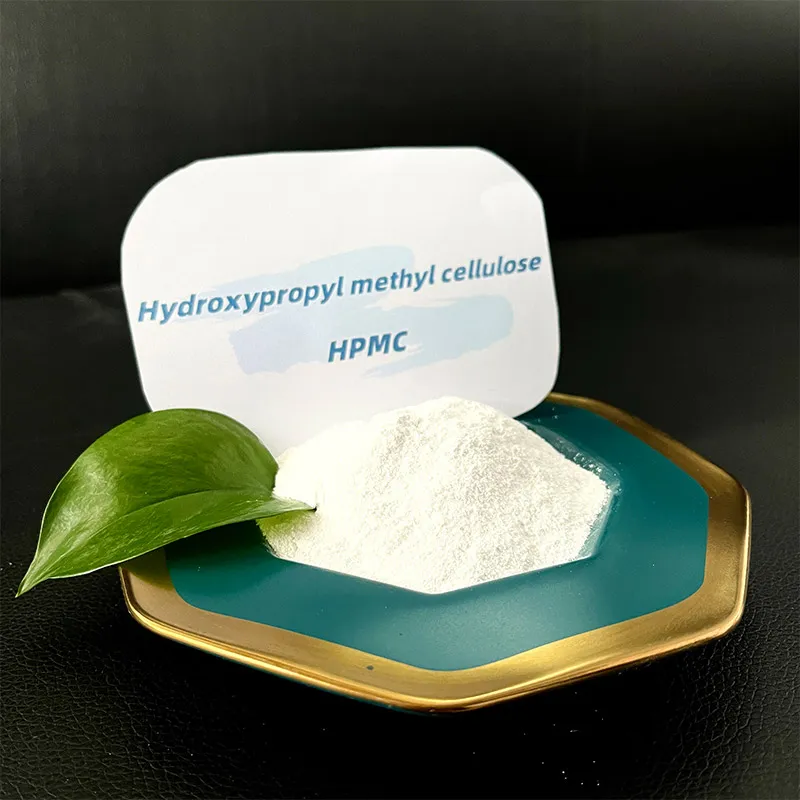
Hydroxypropyl Methylcellulose (HPMC) E5 is a versatile and essential ingredient in various industries, prized for its unique properties that enhance product formulation. As a low viscosity grade of HPMC, E5 offers a distinct set of characteristics highly valued by manufacturers. This article delves into the crucial attributes of HPMC E5, leveraging insights from industry experts and real-world applications to offer a comprehensive understanding of its benefits and usage. One of the standout features of HPMC E5 is its film-forming ability. This property is integral in the pharmaceutical industry, where HPMC E5 is commonly used as a coating agent for tablets. Its ability to form a uniform, adherent, and stable film ensures the protection of active ingredients, enhances shelf life, and improves the aesthetic appeal of tablets. The expertise of formulation scientists highlights that the use of HPMC E5 in coatings improves the swallowability and taste masking of oral dosage forms, making it a preferred choice among pharmaceutical developers. In the realm of construction, HPMC E5 serves as an essential additive in cement-based materials. Its water retention capability prevents premature drying and assures optimal curing, leading to increased strength and durability of the final product. Construction professionals underline that the inclusion of HPMC E5 in mortar formulations results in enhanced workability and open time. This facilitates easier application and adjustment of tiles or other construction components, minimizing waste and improving finish quality. The adhesive industry also benefits from the unique properties of HPMC E5 . The compound's thickening and rheology modification abilities enable the production of adhesives with superior stability and consistency. As experts in adhesive chemistry attest, HPMC E5 improves the bonding capacity and mechanical strength of adhesives, providing reliable performance across different substrates and environmental conditions. This versatility makes it an indispensable ingredient in formulating both household and industrial adhesives. hpmc e5 properties Personal care products, such as shampoos and creams, often incorporate HPMC E5 due to its excellent emulsification and stabilization properties. Cosmetologists and personal care formulators value HPMC E5 for its ability to maintain the integrity and homogeneity of creams and lotions. Its non-ionic nature ensures compatibility with various active ingredients, allowing for innovative formulations that cater to diverse consumer needs. Furthermore, HPMC E5’s gentle nature and lack of irritancy make it suitable for sensitive skin products, thus broadening its applicability in the cosmetics industry. From an expert perspective, the adaptability of HPMC E5 across different formulations and industries underscores its significance. Its non-ionic and cellulose-based nature ensures environmental compatibility and safe usage, aligning with the growing consumer demand for sustainable and eco-friendly products. Manufacturers leveraging HPMC E5 can assure their clientele of high-quality, reliable, and effective products, bolstering trust and authority in their respective markets. Trustworthiness in utilizing HPMC E5 is reinforced by thorough testing and compliance with regulatory standards, which are critical for product safety and efficacy. Collaboration with experienced formulation scientists and adherence to stringent quality control measures guarantees that products incorporating HPMC E5 deliver consistent and dependable performance. In conclusion, HPMC E5 stands out due to its unique properties that serve a wide array of applications, ranging from pharmaceuticals and construction to adhesives and personal care products. Its esteemed position is further corroborated by industry expertise and practical experience, which collectively affirm its role as a high-value ingredient. By integrating HPMC E5, manufacturers not only optimize product performance but also ensure an authoritative and trusted presence in their sectors.
advantages
-

200000 Viscosities
Excellent product
We can produce pure products up to 200,000 viscosities
-

40000 tons
High yield
We don’t stop production all year round, and the annual output can reach 40,000 tons
-

24 hours
Quality service
We provide 24-hours online reception service, welcome to consult at any time
———— Inquiry Form
Schedule A services

-
 starch_ether_manufacturers
Oct . 25, 2025
Unveiling the Potential of HPMC E5 in Modern Industries Hydroxypropyl Methylcellulose (HPMC) E5 is g -
 hpmc_density
Oct . 25, 2025
Hydroxypropyl methylcellulose (HPMC) K4M is a versatile polymer extensively utilized across numerous -
 how_to_make_rubber_powder
Oct . 25, 2025
Navigating the world of chemicals , one encounters numerous compounds essential for various industri


